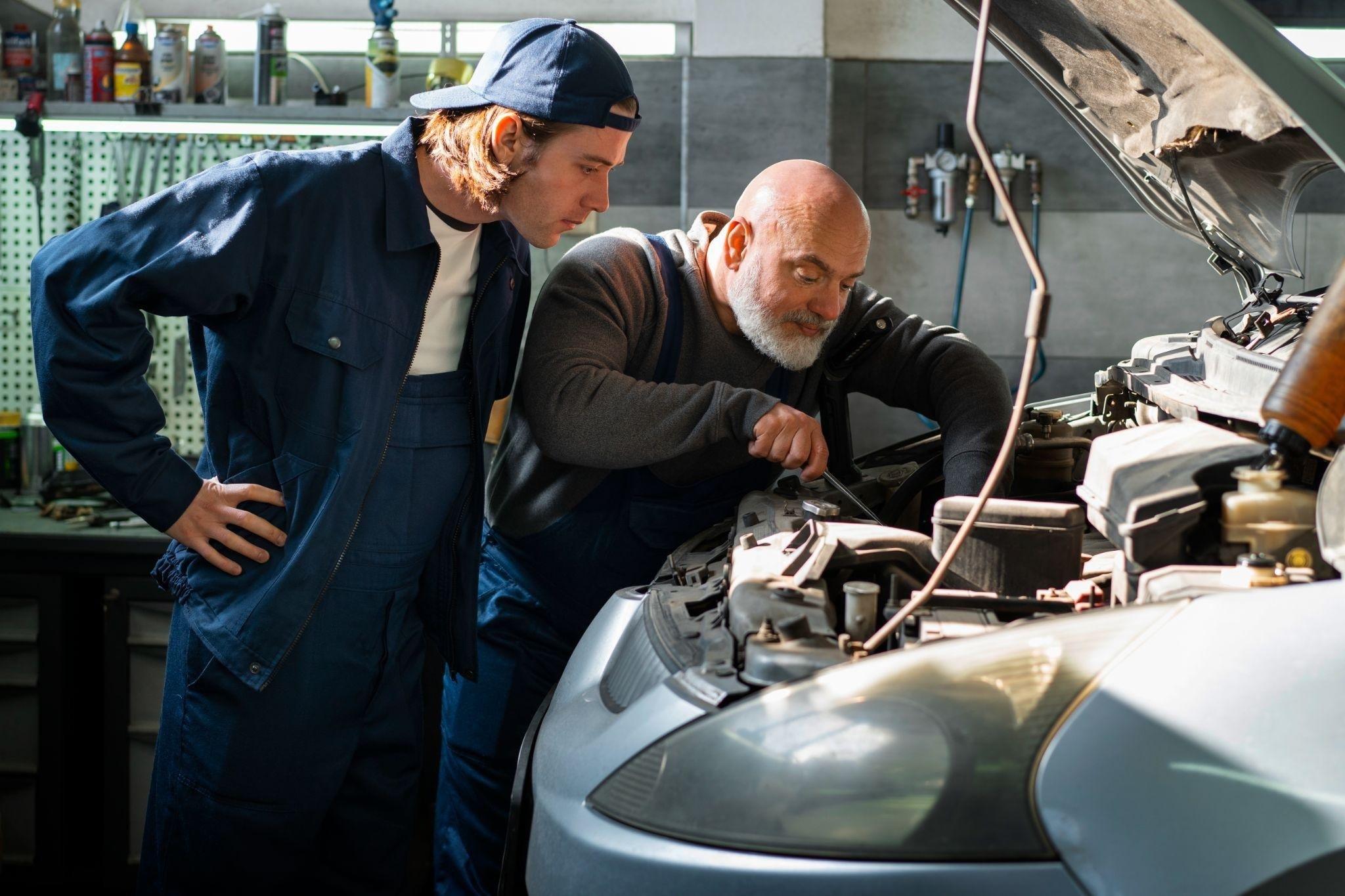
The old-timer has been doing the job longer than the new guy has been driving. He knows which sound means trouble, which shortcut actually saves time, and when a job is about to go sideways.
The new guy shows up with fresh training, newer tools, and maybe an app for something the old-timer has done by instinct for twenty years. Sometimes they learn from each other. Sometimes they drive each other crazy.
That tension is part of the generational differences in the trades. But the best crews are not the ones where one generation wins. They are the ones where experience and new ideas make each other better.
What the Old-Timer Knows That You Cannot Learn From a Manual
Experienced tradespeople carry more than technical knowledge. They carry pattern recognition.
After years in the industry, an expert can tell whether a defective installation will cause future problems, hear when a machine isn’t running right, or know a “quick fix” will turn into a callback. These conclusions are based on results from numerous cases.
It also includes things manuals rarely teach: how to read a customer, work around another trade, and stage a job without wasting time.
That is why knowledge transfer in the trades matters. Experience is often knowing what not to do because you already learned it the expensive way.
What the New Guy Brings to the Crew
Young tradespeople must be respected the same way and should not be treated like they have nothing to offer.
Most have entered the field with newer technical training and will embrace digital tools with comfort. They may be faster with diagnostic software, digital plans, smart controls, laser measuring tools, building automation, or mobile job systems.
They may also question routines that have been around forever. Sometimes the oldest way really is the best. Other times, there is a faster or safer alternative.
That is part of a healthy multigenerational workforce. The old-timer brings experience the new guy cannot download. The new guy may bring tools the veteran never had when learning the trades. Blue Collar Crew has also explored why young people are returning to the trades and how technology is reshaping the work.
Where the Generations Usually Clash
Most conflicts in the workplace are not about age. But about how people were taught to work. The old-timer says, “Put the phone away.” The younger tech may be checking a wiring diagram or equipment manual.
The new guy says, “There has to be an easier way.” The veteran hears, “Everything you taught me is outdated.”
One person expects a rookie to watch first and ask later. The other wants to know why. That is where jobsite culture can get stronger or turn miserable. A crew needs people who can disagree without turning every conversation into a contest.
The Best Trade Knowledge Is Still Passed Person to Person
There is a reason apprenticeship has survived generation after generation. While one may learn various theories and codes and even safety regulations from school, the actual learning of trades takes place by working next to someone with real experience in the field.
According to Apprenticeship.gov, registered apprenticeship programs include structured on-the-job learning with instruction from an experienced mentor.
That is skilled trades mentorship in its clearest form. An older worker can show a younger one how to solve problems, organize the job, identify mistakes at an early stage, and avoid wasted time. At the same time, young people can introduce their senior tech to brand-new technologies.
Respect Has to Go Both Ways
A new worker coming into a trade shouldn’t automatically assume the older method of doing something is wrong simply because it is old. An experienced employee should not automatically disregard a newer method simply because they were not using it when they started.
An experienced tradesperson earns respect by teaching others without making them feel useless. Young tradespeople earn it when they listen, ask good questions, and show they can be trusted before trying to change everything.
This exchange is what creates a multigenerational workforce valuable. Years matter. So does curiosity. Respect comes from what you bring to the crew.
“Figure It Out Yourself” Has Limits
There is a difference between letting someone think through a problem and leaving an inexperienced worker guessing around a serious hazard.
The National Institute for Occupational Safety and Health says young workers have high rates of job-related injuries, with little or no prior work experience and lack of safety training among the factors that can contribute to those injuries.
A new worker should never stay quiet about a safety concern because they are afraid of sounding inexperienced. The veteran beside them should make it clear that asking about a hazard is not weakness.
Good jobsite culture makes sure nobody has to learn the dangerous lessons by getting hurt.
The Best Crews Keep the Experience and Lose the Ego
Picture the crew you would want on a difficult job.
Maybe there is a veteran who can diagnose a problem by sound. A younger technician understands the newest control system. A journeyman can read the plans inside out. An apprentice may ask the questions everyone else overlooked.
That is how generational differences in the trades become an advantage instead of a problem.
The goal is not to make everyone work the same way. It is to keep what works, teach what matters, and change what no longer makes sense.
The old-timer should not take twenty years of knowledge home when he retires. The new guy should not have to relearn those twenty years from scratch.
Different Generations. Same Crew.
Tools, technology, codes, and equipment will keep changing.
The trades move forward because one generation teaches the next while the next generation brings something new. That is how knowledge transfer in the trades keeps a crew strong instead of forcing every new worker to start from zero.
Whether you are the veteran with decades of jobs behind you or the newer technician building your reputation, make sure your experience shows what you bring to the crew.
Technicians ready to showcase the skills, certifications, projects, and experience they have built along the way can create a verified visual profile through The Blue Collar Crew Technician Portal and give employers a clearer picture of what they bring to the job.