You might still carry the same tools in your truck, but the jobs you’re called out for aren’t quite what they were five years ago.
More homeowners are switching to electric heating systems. Businesses are putting in charging stations for their vehicles. Older buildings need electrical upgrades to handle equipment that runs on electricity.
This shift is called electrification, and it is changing the kind of work available across the skilled trades.
Electricians, HVAC techs, plumbers, and construction crews are taking on work that wasn’t as common a few years back. Knowing what’s changing with electrification in the trades can help you decide which skills are worth learning next.
What Does Electrification Mean for Blue Collar Workers?
Electrification means switching equipment from gas, oil, or other fuels to electricity.
Think of a homeowner swapping an old gas furnace for an electric heat pump. Or a delivery company replacing its diesel trucks with electric ones and adding chargers at its facility.
The switch involves more than buying new equipment. It has to be installed correctly, connected, and maintained. Much of that work falls to electricians, HVAC technicians, and other skilled workers.
Many of these jobs use skills tradespeople already have, although the equipment they’re working on may be newer.
How the Electrical Trades Are Changing
Electrification won’t change every trade to the same extent. Some workers will spend more time on electrical equipment, while others might only need training on a few new systems.
Electricians Have More Types of Work to Explore
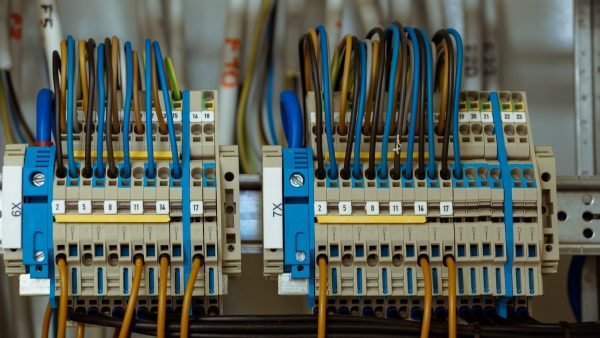
Another change electricians are seeing is the use of low-voltage equipment. Some manufacturers are designing systems that use lower voltages for certain functions instead of relying entirely on standard household power. This is common in lighting, controls, and smart building systems. Electricians who understand how to install and maintain these systems may find additional work opportunities.
Some of the jobs electricians may be called in for include:
- Installing electric vehicle charging stations
- Upgrading electrical panels in older homes
- Connecting solar panels and battery systems
- Wiring new electric heating equipment
- Maintaining electrical systems in commercial buildings
According to the U.S. Bureau of Labor Statistics, electrician employment is expected to grow 9% from 2025 to 2035.
Electrification isn’t the only reason for that projected increase. New construction, infrastructure upgrades, and greater demand for electricity all play a part.
HVAC Technicians Are Working With More Electric Heating Systems
HVAC work is seeing some changes of its own. HVAC technicians are likely to encounter heat pumps more often. A gas furnace burns fuel to make heat. An electric heat pump works differently, transferring heat between the building and its surroundings.
The same heat pump can heat a building in winter and cool it during warmer months. That means more installation, service, and repair work involving heat pump systems. Technicians also need to know how to check electrical connections, adjust system settings, and troubleshoot faults.
The Bureau of Labor Statistics projects 11% employment growth for HVAC technicians between 2025 and 2035.
For an experienced HVAC technician, heat pump training can make it easier to take on a wider range of service calls.
Plumbers Are Seeing Changes in Water Heating
Plumbers are running into these changes as well, particularly with water heaters.
Some homeowners are replacing gas water heaters with electric models, including heat pump water heaters.
The plumbing side of the job hasn’t gone away. Pipes still need fitting, water lines need connecting, and leaks need checking.
But installing a heat pump water heater can involve different clearance requirements, condensate drainage, and service procedures.
Plumbers who know their way around these systems may be better prepared when customers ask about replacing an older water heater.
Construction Workers Are Supporting Electrical Upgrades
The work doesn’t stop with electricians, HVAC techs, and plumbers. Construction crews have a part in it, too.
A single upgrade might involve an electrician, a carpenter, an HVAC installer, and a general contractor.
Carpenters, equipment operators, and general laborers may be involved in preparing spaces, moving materials, and completing building changes.
These projects often require several trades to work together. Each crew has its own work to finish, and delays in one area can hold up the rest of the job.
Why Learning New Skills Matters More Than Ever
Electrification does not mean your existing trade skills are becoming useless.
In fact, practical experience remains important because newer equipment still needs proper installation and regular maintenance. However, workers who understand both older and newer systems may have more options when looking for their next role.
For example, an HVAC technician who works with traditional furnaces and heat pumps can offer a wider range of services.
An electrician who understands EV charging installations may qualify for projects outside regular residential wiring.
Learning these skills can also help workers take on greater responsibilities.

Click to Visit a Related Article
Our article on the 10 skills that separate average techs from top earners explains how improving your abilities can support better pay and long-term career growth.
Of course, training does not guarantee a higher salary. Experience, location, employer needs, and licensing requirements still matter.
How Skilled Workers Can Prepare for Upcoming Electrical Changes
You do not need to change careers to benefit from electrical changes.
Start by looking at how the equipment in your trade is changing. Then identify one skill that could make you more useful on future projects.
Here are a few practical ways to prepare:
- Ask them about training. Find out if your employer or local trade school offers courses on newer electrical equipment.
- Learn from experienced workers. If your crew handles heat pumps or charging stations, ask them questions and observe the installation process.
- Keep your certifications up to date. Check which licenses and qualifications are required before taking on specialized work.
- Follow all safety rules. New equipment might need additional precautions. Never attempt electrical work without the proper training and authorization.
- Update your outdated work history. Record every project, equipment, and skills you have learned.

Click to Visit a Related Article
You can also read our guide on how technicians can get noticed by employers to understand how to present your growing experience. The goal is to stay prepared without feeling that you must learn everything at once.
The Future of the Trades Still Depends on Skilled Workers
The electrical trade is changing the equipment used in homes, businesses, and job sites. But one thing remains the same: skilled workers are needed to get the job done.
Whether you install electrical systems, repair heating equipment, or work on construction projects, learning new skills can help you stay ready for changing job requirements.
As your experience grows, make sure it is visible to the people who may hire you.
With The Blue Collar Crew, you can create a digital resume that highlights your trade skills, certifications, and work history. Join The Blue Collar Crew and start building a professional profile that reflects what you bring to the job site.