
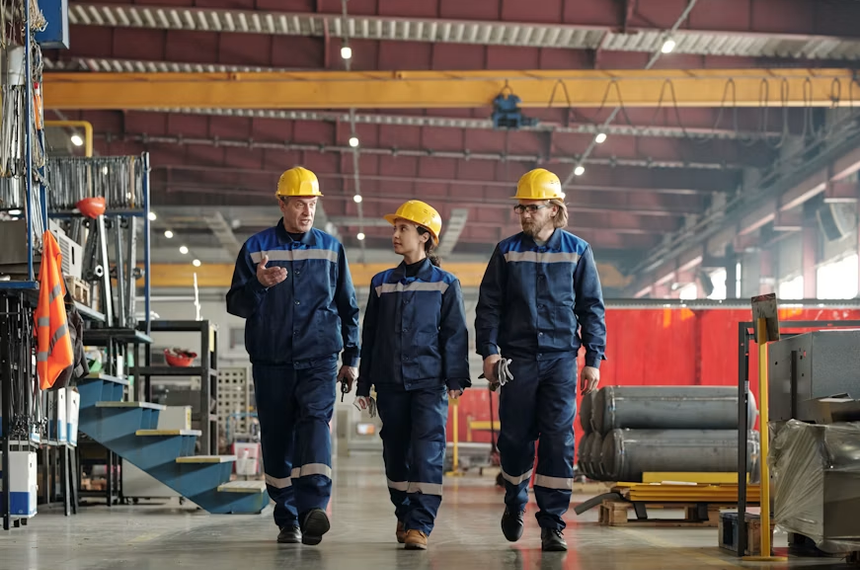
For decades, trade professionals and field technicians were forced to accept a clear trade-off. Clothes that are built for tough physical labor looked boxy and rough around the edges. Wearing your field gear out after a long shift meant heading to dinner, grabbing a drink or meeting friends looking strictly like you just stepped off a dusty construction site.
However, modern textile innovation and evolving design standards have completely transformed the industry. Trade professionals demand versatile clothing that performs under harsh conditions without sacrificing personal style.
Transitional workwear clothing engineered to handle grueling job site demands while offering a clean, tailored aesthetic off the clock has become an essential part of the modern tradesperson’s wardrobe.
The Evolution of Modern Workwear
Traditionally, job site gear was made almost exclusively from heavyweight and unwashed cotton canvas or stiff denim. While durable, these traditional materials were restrictive and slow to dry. They held onto grease and sweat, making them impractical for anything outside of hard manual labor.
Consumer demand for functional, multi-use apparel has grown exponentially. Tradespeople are leading this shift, preferring garments that seamlessly bridge the gap between heavy labor and social settings.
Modern fabric blends now combine technical synthetic fibers with natural cotton. Incorporating materials like Cordura and recycled polyester creates durable apparel that resists abrasion while offering 4-way stretch and a refined appearance.
| Traditional Heavy Gear | Modern Transitional Gear |
| Stiff, unwashed canvas | Canvas infused with stretch elastane |
| Boxy, baggy silhouettes | Tailored, articulated fits |
| Retains moisture/stains | DWR & stain-resistant coatings |
| Strictly functional | Dual-purpose – job site & casual |
By shifting away from rigid textiles toward flexible and treated fibers, modern workwear allows workers to bend and reach comfortably without suffering blown-out seams or restrictive waistbands. The resulting aesthetic looks intentional and elevated enough for any casual setting.
Key Attributes of Quality Transitional Workwear
Upgrading your wardrobe to include pieces that work hard and look great requires knowing what features to look for. High-performing transitional workwear rests on four essential pillars
Technical Fabric Blends
Look for pants and shirts crafted from hybrid fabrics. A blend of high-grade cotton paired with a small percentage of elastane or Spandex provides the mobility needed to squat and kneel comfortably. Incorporating nylon or polyester increases tear resistance while keeping the garment lightweight.
Hidden Functionality and Storage
The best dual-purpose functional clothing hides its utility. Instead of bulky, external cargo pockets that flap around and look overly industrial, modern designs feature
- Low-profile, inset utility pockets along the side seams.
- Concealed zippered pockets for securing phones or keys.
- Reinforced tool loops that can be tucked away when not in use.
Tailored, Articulated Fits
Traditional work pants often feature excessively wide leg openings and sagging waists. Contemporary job site gear utilizes articulated knees, gusseted crotches, and tapered leg cuffs. This ergonomic shaping allows full freedom of movement while eliminating bagginess, resulting in a modern silhouette off the clock.
Stain and Water-Resistant Coatings
The best quality workwear clothing uses a DWR coating and stain-resistant finish technology. The hydrophobic finish results in liquids beading and running off the surface of the clothing without absorbing into the fibers of the material. At the end of your workday, all you need is a quick brush for your clothes to appear clean and neat.
Essential Pieces for Your Transitional Wardrobe
A wardrobe of adaptable clothes that works both professionally and socially does not mean changing your whole wardrobe. It simply means having a few key pieces of quality clothes in your wardrobe.
| Apparel Category | Key Features | Main Benefit | Style |
| Hybrid Pants | Stretch canvas, flex crotch | Tough and easy to move in | Clean and casual |
| Performance Flannels | Wicking fabric, tough elbows | Warm and snag-resistant | Classic layered look |
| Utility Jackets | Water-resistant canvas, fleece lined | Weatherproof and durable | Sleek outerwear |
| Work Boots | Premium leather, oil-resistant sole | Strong support and traction | Timeless leather look |
Versatility Across the Four Seasons
A true system of transitional workwear must adapt to changing weather conditions without losing its aesthetic appeal. The key to maintaining a polished look throughout the year lies in strategic layering and technical fabric selection.
- Spring – Light, water-resistant softshell jackets paired with stretch-canvas chinos keep you dry during sudden downpours while maintaining a sleek profile when stepping into a client meeting or a local bistro.
- Summer – Breathable, moisture-wicking woven shirts made with bamboo or recycled polyester fibers prevent sweat buildup during scorching shifts. Pair them with lightweight hybrid trousers that look like tailored slacks but perform like heavy-duty gear.
- Autumn – Medium-weight chamois shirts and canvas overshirts provide rugged warmth. These pieces function as durable outerwear on the site and transition effortlessly to fireside gatherings or evening dinners.
- Winter – Low-profile insulated jackets utilizing synthetic fill offer high warmth-to-weight ratios without the Michelin-Man bulk of old-school parkas. They shield you from freezing winds on-site and look completely at home in any city center.
Maintaining Your Gear for Maximum Longevity
To make sure your functional clothing maintains its protective qualities and polished look over time, proper garment care is vital. Taking simple preservation steps keeps your investment performing at its peak for years.
- Wash in Cold Water – Hot water degrades elastane fibers over time, reducing the garment’s stretch and recovery capabilities. Cold water protects the structural integrity of hybrid weaves.
- Avoid Fabric Softeners – Fabric softeners leave a silicone coating on textiles that destroys moisture-wicking properties, ruins breathability, and breaks down stain-resistant finishes.
- Air Dry or Low Heat – Excessive dryer heat breaks down synthetic threads, weakens bonded seams, and causes premature shrinkage. Hang-drying extends overall garment lifespan significantly.
- Reapply DWR Treatments – After multiple wash cycles, reapply a spray-on DWR coating to restore surface tension, making sure liquids continue to bead up and roll off.
Elevate Your Professional Image
How you present yourself matters both on and off the job site. Wearing well-fitted, durable apparel reflects pride in your craft and projects professionalism to clients and peers alike. When you look organized and capable, clients instinctively trust your expertise and craftsmanship.
Technicians looking to showcase their professional pride and project accomplishments can build a verified visual profile through The Blue Collar Crew Technician Portal.
Investing in quality transitional workwear means you no longer have to compromise between job site durability and everyday comfort. By choosing garments designed with modern fabrics and tailored fits, you can step off the job site and head straight to dinner looking sharp, feeling comfortable, and ready for whatever the evening holds.