The Truth Nobody Tells You About Tools
Every blue collar career starts the same way: a few basic tools, a lot of questions, and the pressure to “look the part” on day one.
Walk onto any jobsite and you’ll see it. One apprentice with a borrowed pouch. Another with a $5,000 setup they can barely afford. A veteran carrying only what he actually needs.
Here’s the truth most people learn too late:
Your tools shouldn’t impress people. They should grow with your career.
Whether you’re fresh out of trade school, starting an apprenticeship, switching careers, or already deep into blue collar work, building the right tool setup can save you thousands of dollars—and years of frustration.
Lets talk about how you how to do it the smart way.
Step One: Understand What Tools Really Represent
Tools aren’t just equipment. They represent skill level, responsibility, and earning power.
- Entry-level workers carry essentials.
- Mid-level techs carry efficiency.
- Veterans carry precision and specialty gear.
- Business owners invest in productivity and crews.
If you try to skip levels, you usually waste money. If you build slowly and intentionally, your tools become an asset instead of a burden.
That’s the goal ofcourse.
Start With the Core, Not the Dream Setup
One of the biggest misconceptions in the trades is this:
“I need a full professional setup before I’m taken seriously.”
You don’t.
Every experienced tradesperson knows its more important to:
- Show up on time
- Work hard
- Learn fast
- Stay safe and healthy
—not from shiny new tools.
Your first setup should focus on:
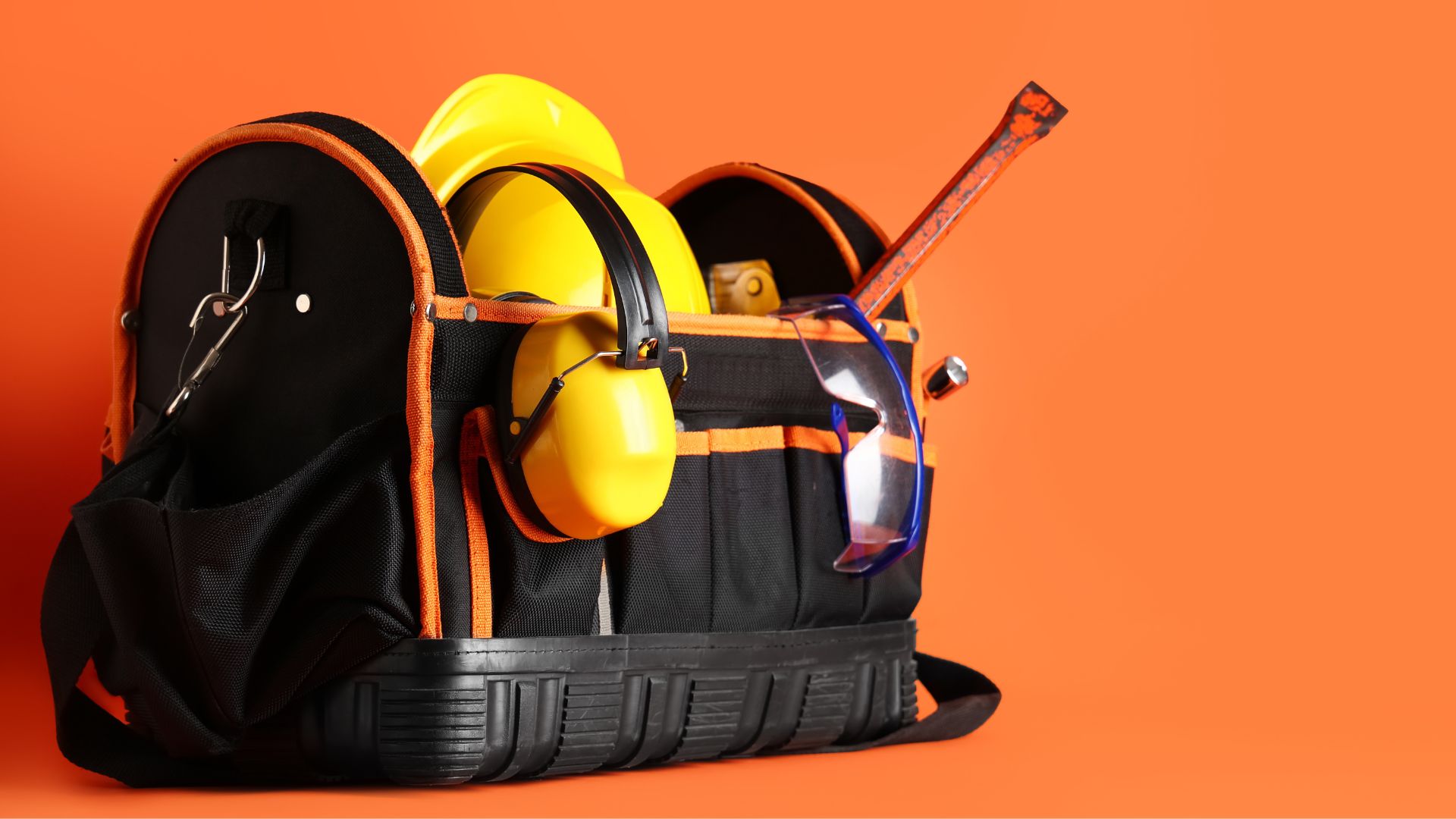
- Safety gear (non-negotiable)
- Daily-use hand tools
- Durability over brand names
- Affordability that fits your financial situation
If you’re just getting into the trades through trade school or an apprenticeship, keep it simple.
Your skills—not your spending—should grow first.
Build in Phases, Just Like Your Career
The smartest blue collar workers treat tool buying like career progression.
Phase 1: Entry Level – Learning the Work
Goal: Be prepared and reliable
Focus on:
- Basic hand tools required by your trade
- Comfortable tool storage (belt, bag, or pouch)
- Safety equipment that protects your body long-term
At this stage, you’re still learning:
- How you like to work
- What tools you actually use daily
- Which direction your blue collar career will take
Keep spending low. Keep learning high.
Phase 2: Developing Technician – Gaining Speed
Goal: Work faster and cleaner
Now you’ll notice:
- Certain tools save serious time
- Cheap tools slow you down
- Comfort matters during long days
This is where upgrades make sense.
Invest in:
- Higher-quality daily-use tools
- A few reliable power tools
- Organization that improves efficiency
You’re no longer just getting into the trades. You’re becoming someone crews rely on.
Phase 3: Skilled Professional – Mastering the Trade
Goal: Precision, reputation, and higher pay
At this level:
- Your tools directly impact income
- Specialty tools separate you from average workers
- Clients and employers trust your results
Smart investments now include:
- Trade-specific diagnostic or precision tools
- Long-lasting professional-grade equipment
- Backup tools that prevent downtime
This is where blue collar careers really start to pay off—
but only if your tools support your skill.
Phase 4: Leadership or Business Ownership – Scaling the Work
Goal: Productivity beyond yourself
Veterans and business owners think differently about tools.
It’s no longer:
“What helps me work?”
It becomes:
“What helps the team produce?”
Investments shift toward:
- Crew-ready equipment
- Time-saving technology
- Tools that reduce labor and increase profit
At this stage, tools become part of building a future, not just finishing a job.
Real-World Factors That Should Guide Your Tool Choices
No two paths in the trades look the same. Your decisions should match your real life, not someone else’s highlight reel.
Consider your:
Learning style
Do you need hands-on repetition? Start simple. Do you move fast? Upgrade sooner—but wisely.
Financial situation
Debt from overspending on tools hurts more than cheap tools ever will.
Career goals
Planning to specialize? Buy tools that match that direction. Still exploring? Stay flexible and avoid heavy spending.
There’s no single “right” setup—only the right setup for where you are right now.
Common Tool Mistakes That Cost Workers Thousands
Let’s be honest. Most tradespeople learn these the hard way.
1. Buying for ego instead of need
Expensive doesn’t mean useful.
2. Financing too early
Monthly payments trap beginners before income grows.
3. Chasing every new tool
Skill beats gadgets—every time.
4. Ignoring safety gear
The most important investment is your body. No tool replaces your health.
Avoid these, and you’re already ahead of most people entering blue collar careers.
Trade School vs Apprenticeship: How Tools Fit Into Each Path
No matter how you’re getting into the trades, your tool journey will look different.
Trade School Path
- You’ll learn tool names, uses, and safety first
- Initial tool kits may be required
- Spending happens before income starts
This makes budget discipline critical.
Apprenticeship Path
- You earn while learning
- Tool buying happens gradually
- Mentors often guide smart purchases
This usually leads to more practical tool growth over time.
Neither path is better for everyone. What matters is building tools that match your pace of progress.
The Mindset That Separates Smart Tradespeople From Broke Ones
Here’s the difference you’ll notice after a few years in the field:
Average workers think:
“What tool do I want next?”
Successful workers think:
“What investment moves my career forward?”
That shift changes everything. Because in the trades, the real goal isn’t owning tools.
It’s owning your future.
Build Slow, Build Smart, Build for Life
A strong tool setup isn’t built in a weekend. It’s built across years of learning, earning, and growing.
Start simple. Upgrade with purpose. Protect your body. Match your tools to your direction.
Do that, and your setup won’t just help you work — It will help you build a life in the trades.
If you’re serious about growing in blue collar work, keep learning from people who respect the craft and the workers behind it.
Explore more guides, stories, and insights right here at CREW Magazine — built for the next generation of the trades, and everyone still grinding in them.