Investing in Your Greatest Asset… You
You can replace a lost 9/16th socket. You can buy a new impact driver when yours finally smokes out. You can even replace a truck.
But you cannot replace your lower back, your hearing, or your eyesight.
If you’re a high school graduate looking at your first job site, a career switcher leaving a desk for the field, or even a veteran who’s starting to feel the “morning creak” in your joints, listen up.
In the world of blue collar careers, you are the machine. When you’re getting into the trades, everyone talks about the tools you need to do the work. They talk about the best brands of levels, saws, and wrenches. But the most important investment you will ever make isn’t in a toolbox—it’s in the gear that keeps the human machine running.
Here is the must have guide to the safety gear actually worth your hard-earned paycheck.
The Foundation | Your Feet
Why Cheap Boots Are a Tax on the Poor
We’ve all been there. You’re just starting out and you just need a pair of work boots, your bank account is thin, and those $40 “work-style” boots at the big-box store look tempting. Do yourself a favor: Walk away.
In blue collar health and injuries, the feet are the “ground zero” of most long-term issues. If your feet aren’t supported, your ankles roll. If your ankles aren’t aligned, your knees take the hit. If your knees are off, your hips and lower back start to scream by noon.
Not to mention the cheap boots are made of cheap material and will probably only last you a solid year before falling into pieces. It’s happened to me plenty of times.
What to Look For:
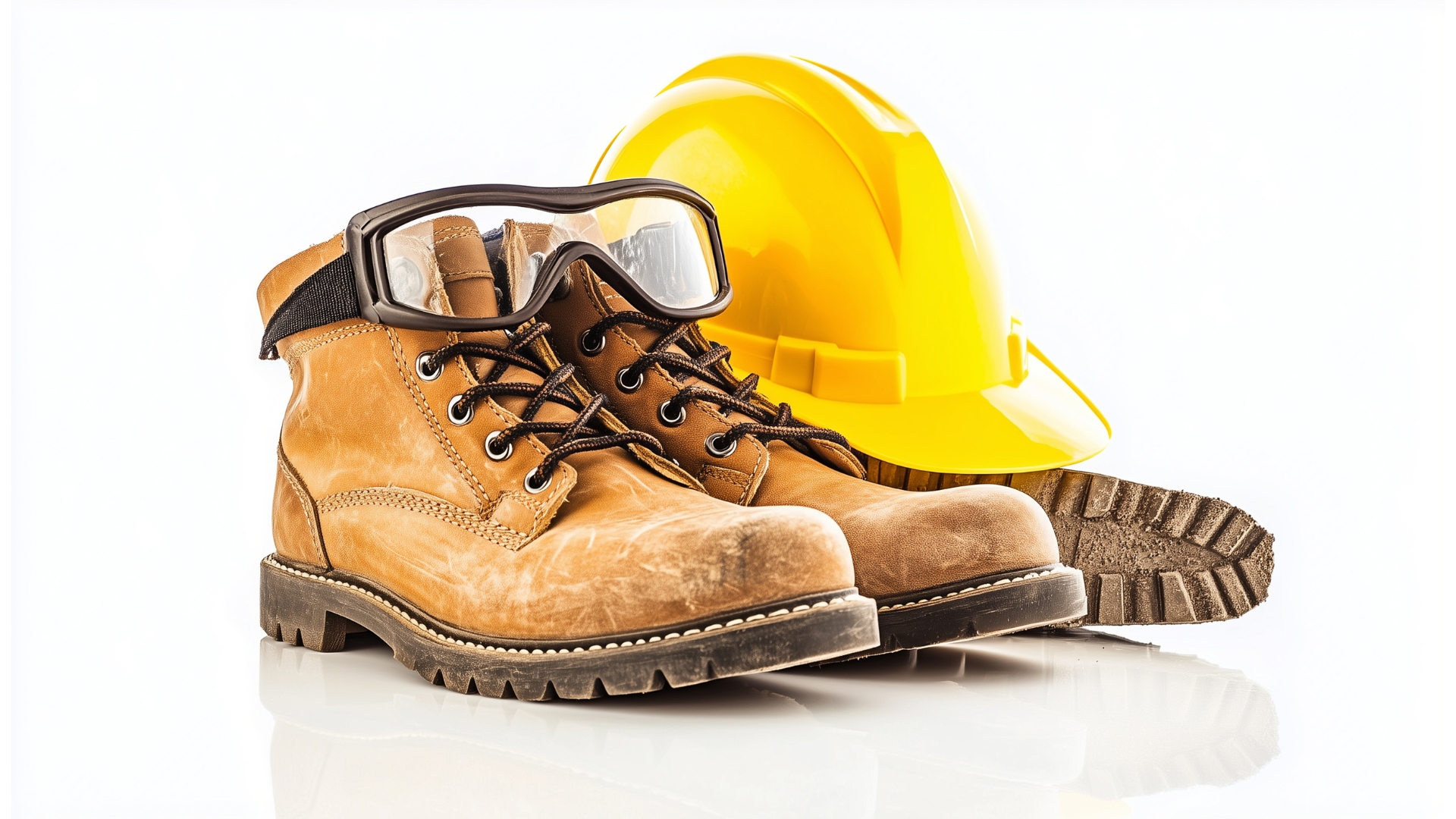
- The Right Sole: If you’re on concrete all day (think mechanics or factory workers), you need wedge soles for cushion. If you’re in the mud or on ladders (line work or framing), you need a defined heel.
- Safety Toes: Whether it’s steel, composite, or carbon fiber, don’t skip it. A dropped 4×4 or a rolling floor jack doesn’t care about your feelings.
- Break-in Period: A high-quality leather boot will hurt for a week and then feel like a second skin for three years. Cheap boots feel okay for a couple of months and then fall apart.
Spending $250+ on boots isn’t “treating yourself.” It’s preventative maintenance for your spine.
Protecting Your “Money Makers” | Your Hands
Why Turn to High-Dexterity Gloves
Your hands are how you make your living. Whether you’re pulling wire in a trade school lab or welding on a pipeline, hand injuries are the number one reason workers end up on the sidelines.
The old-school mindset was that “real men don’t wear gloves” because they “lose the feel” of the work. That’s a misconception that has led to thousands of cases of nerve damage and lost digits. Not to mention there are far fewer trades that gloves just won’t work for today.
Modern safety gear has evolved. You don’t have to wear bulky leather mitts anymore. Invest in high-quality, cut-resistant gloves that offer:
- Impact protection on the knuckles (essential for heavy construction).
- Touchscreen compatibility (so you aren’t taking them off to check a digital blueprint).
- Breathability to prevent the “swamp hand” that leads people to stop wearing them.
Hearing and Vision | Your Eyes and Ears
You Don’t Get These Back If There’s An Issue
The “tough guy” approach to safety gear often fails most spectacularly when it comes to the senses. You might think the roar of the generator or the scream of the chop saw isn’t that bad, but hearing loss is cumulative. It’s a slow leak that you don’t notice until you’re 45 and can’t hear your kids talking across the dinner table.
Hearing Protection
Don’t rely on the cheap foam plugs that fall out every five minutes. If you’re serious about a long-term blue collar career, invest in:
- Electronic Ear Protection: These muffles the loud bangs but actually amplify voices. This allows you to stay safe while still hearing instructions from your foreman.
- Custom Molded Plugs: If you hate bulky earmuffs, these are worth every penny for all-day comfort.
Eye Protection
If your safety glasses fog up, you’ll take them off. If they scratch easily, you’ll take them off. Spend the money on glasses with permanent anti-fog coatings and high-clarity lenses. If you wear prescription glasses, don’t rely on those flimsy “over-the-glasses” protectors. Invest in a dedicated pair of prescription safety glasses. Being able to see your marks clearly makes you a better craftsman. Being able to keep your eyes injury free makes you a smart one.
The Silent Career Killer | Your Knees
How to Properly Protect Your Knees From Wear & Tear
If you ask a room full of veteran trades workers what they regret most, 80% of them will say, “I wish I took care of my knees.”
Whether you’re a plumber crawling in crawlspaces, a flooring installer, or an electrician trimming out outlets, you spend a lot of time on your knees. Over time, that pressure causes bursitis and joint degradation.
Don’t Just “Tough it Out”
- Work Pants with Knee Pad Pockets: Many modern workwear brands offer pants with slots for slim foam inserts. You won’t even notice they’re there until you kneel down on a rogue screw and for the first time don’t cringe in pain.
- High-End External Pads: If you’re on your knees all day, get the hinged pads that don’t pinch the back of your legs.
Real World Considerations: How to Buy When You’re Starting
We know that when you’re just getting into the trades—maybe you’re fresh out of high school or moving away from a retail job—dropping $1,000 on gear feels impossible. You have to be strategic.
- The “Boot First” Rule: If you only have $300, spend $250 on boots and $50 on decent safety glasses and gloves. You can use cheap earplugs for a while, but you can’t fix a bad boot with a “budget” solution.
- The Apprenticeship Advantage: Many unions and companies offer “boot vouchers” or tool allowances. Always ask about this before you buy.
- Learning Styles: If you’re in trade school, pay attention to the gear your instructors wear. They aren’t just wearing it because of “the rules”; they’re wearing it because they want to still be walking straight when they retire.
Addressing the “Stigma”
There’s an old school culture that suggests safety gear is for the “weak” or the “unskilled.” This is, quite frankly, total nonsense.
The most skilled, highest-paid professionals in any trade—the guys running the multi-million dollar jobs—are almost always the ones most obsessed with safety. Why? Because they know that reliability is the most valuable trait a worker can have. You aren’t reliable if you’re at the doctor getting metal shavings pulled out of your eye. You aren’t reliable if you’re out for six weeks with a blown-out knee. Safety gear isn’t about fear; it’s about professionalism.
Build a Future, Not Just a Career
At the end of the day, your career in the trades should be a vehicle to a better life. It should provide you with the means to buy a home, support a family, and enjoy your hobbies.
If you sacrifice your body in your 20s because you didn’t want to spend money on decent gear, you won’t be able to enjoy the fruits of your labor in your 50s.
Invest in quality gear today. It’s not an expense; it’s the “insurance policy” that ensures you’ll be at the top of your game for decades to come.
You’re building the world. Make sure you’re around to see the finished product.
Want more advice on how to level up your career in the trades? From mastering your craft to managing your money, CREW Magazine is here to help you build a legacy. Explore our latest articles on blue collar life and career growth today.