How to Build a Future That Lasts
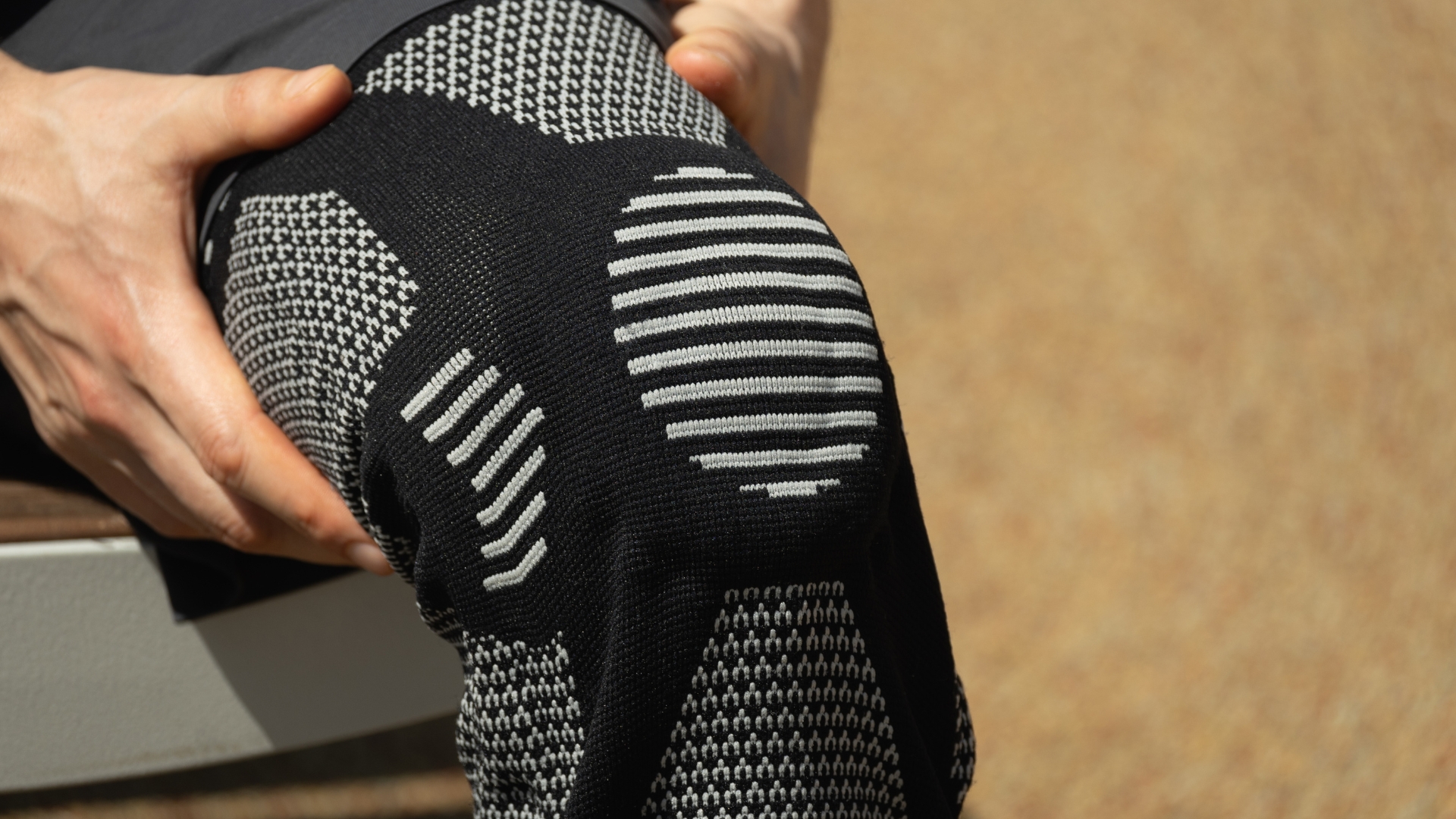
You know the guy. He’s the first one on the job site and the last one to leave. He’s got a knee brace under his work pants, a bottle of ibuprofen in his lunchbox, and a grimace he calls a “smile.”
He’s “toughing it out.” And in the world of blue collar trades, we’ve been told for decades that this is the only way to earn respect.
But here’s the no-BS truth: that mindset is killing our industries. It’s shortening careers, destroying bodies, and driving talented people away from some of the most rewarding jobs on the planet.
At CREW Magazine, we believe in the trades. We believe in the hard work, the skill, and the pride that comes with building the world. But if we want the next generation of workers—from high school grads to career switchers—to thrive, we have to stop treating our bodies like disposable tools.
The Myth of the “Old School” Grind
For a long time, the badge of honor in the trades was how much pain you could work through. If you weren’t hurting, you weren’t working.
This “tough it out” culture suggests that using knee pads is soft, asking for a team lift is lazy, and taking a day off for a mental health reset is unthinkable. We’ve equated physical suffering with professional dedication.
But let’s look at the scoreboard. Veteran trade workers are retiring with chronic pain, limited mobility, and mountain-high medical bills. That’s not a win. That’s a failure of sustainability.
Real toughness isn’t about how much abuse your body can take in your 20s. It’s about being able to play with your grandkids when you’re 60.
The Real Cost of “Toughing It Out”
When we ignore the “minor” aches and pains, we aren’t being brave; we’re being bad businessmen. Your body is your primary asset in a blue collar career. If that asset breaks, the paycheck stops.
1. The Cumulative Injury Trap
Most blue collar health issues aren’t caused by one big accident. They are caused by “micro-traumas”—the thousandth time you jumped off the back of the truck or the decade you spent kneeling on concrete without protection. These injuries don’t show up today, but they are waiting for you five years down the road.
2. The Financial Sinkhole
Getting into the trades is one of the smartest financial moves you can make. Whether you choose a trade school or a registered apprenticeship, you’re building a high-income skill without the crushing weight of university debt. However, an early exit due to injury can cost you hundreds of thousands in lifetime earnings.
3. The Mental Toll
“Toughing it out” usually applies to the mind, too. The trades can be high-stress, high-stakes environments. When we suppress the stress of the job, it leads to burnout, substance abuse, and strained families.
Redefining “Tough” as “Professional”
If you’re a high school graduate or a career switcher considering the trades, you need to know that the industry is changing. The most successful people on the job site today aren’t the ones taking the biggest risks—they’re the ones with the best systems.
Being a professional means:
- Prioritizing PPE: Wearing safety glasses, ear protection, and respirators every single time.
- Using the Right Tools: Using a mechanical lift or a dolly instead of “manning up” and blowing out a disc in your back.
- Lifelong Learning: Recognizing that the “old way” might not be the safest or most efficient way.
Choosing Your Path
Trade School, Apprenticeship, and Beyond
One of the biggest misconceptions about getting into the trades is that there is only one “right” way to do it. The truth is, your path depends on your learning style, your financial situation, and your long-term goals.
Trade School: The Fast Track
If you prefer a structured environment where you can learn the theory and practice before a boss is breathing down your neck, trade school is a powerhouse move. It allows you to make your “rookie mistakes” in a controlled environment.
Apprenticeships or Earn While You Learn Jobs
For those who need a paycheck immediately and learn best by doing, an apprenticeship is the gold standard. You’ll be immersed in the culture of the craft from day one.
The Career Switcher’s Edge
If you’re coming from a desk job, you already know the value of longevity. You have a unique opportunity to enter the trades with a “work smarter” mindset. Don’t let the “old school” guys pressure you into bad habits. Your maturity is your superpower.
How to Build a Sustainable Trade Career
So, how do you ensure you have a 40-year career instead of a 4-year burnout? It starts with a shift in perspective.
- Invest in Quality Gear: Don’t cheap out on your boots or your bed. Good sleep and good foot support are the foundation of your health.
- Own Your Safety: If a situation looks sketchy, speak up. No job is worth a permanent injury.
- Check Your Ego at the Door: Asking for help with a heavy load isn’t a sign of weakness; it’s a sign that you value the project and your future.
- Fuel the Machine: You wouldn’t put low-grade fuel in a high-performance engine. Stop living on energy drinks and fast food. Your body needs real fuel to recover from the physical demands of the day.
The Future of the Blue Collar Crew
The trades are the backbone of society. We build the homes people live in, the infrastructure that moves the world, and the systems that keep us warm and safe. There is deep, soul-satisfying honor in that work.
But we owe it to ourselves—and to the people who rely on us—to do this work sustainably.
“Toughing it out” is a relic of the past. The future of the trades belongs to the Smart Worker. The worker who uses technology, prioritizes ergonomics, and understands that their health is their greatest tool.
Whether you are just starting out, finishing an apprenticeship, or you’ve been on the tools for twenty years, remember this: You are more than just a pair of hands. You are a skilled professional with a future worth protecting.
Join the CREW
At CREW Magazine, we’re here to support you at every stage of your journey. From navigating your first year on the job to mastering the business side of the trades, we’ve got your back.
The trades aren’t just a job—they’re a calling. Let’s make sure we’re healthy enough to answer that call for years to come.
Ready to level up your career? Explore more articles for Blue Collar Pros and join the movement to elevate the trades.